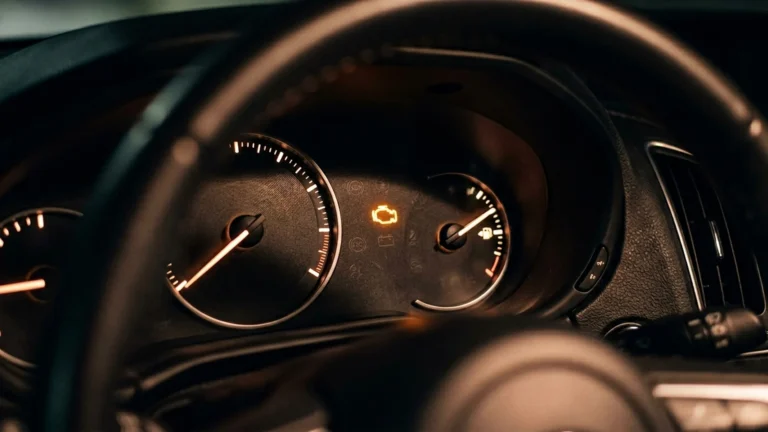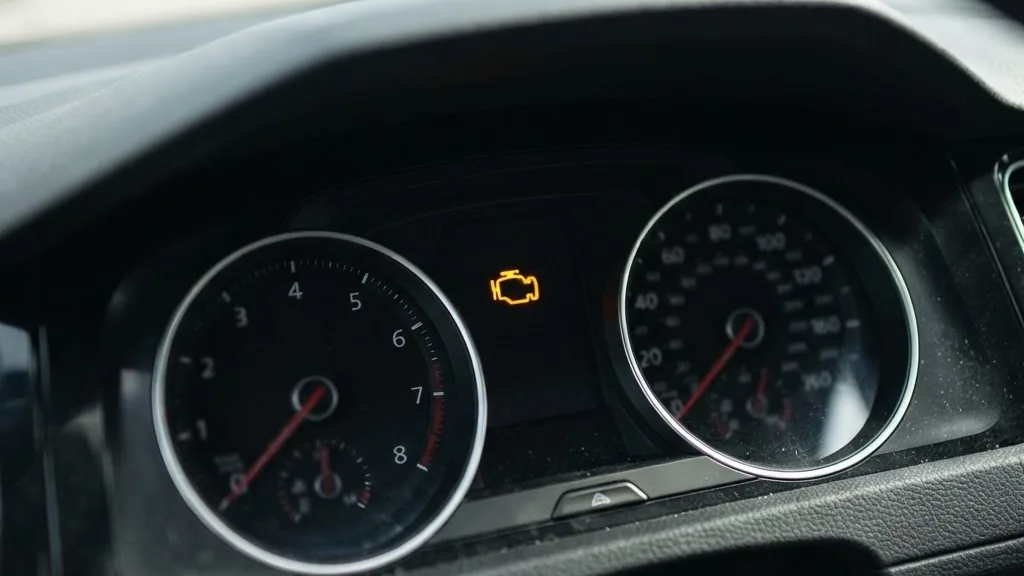
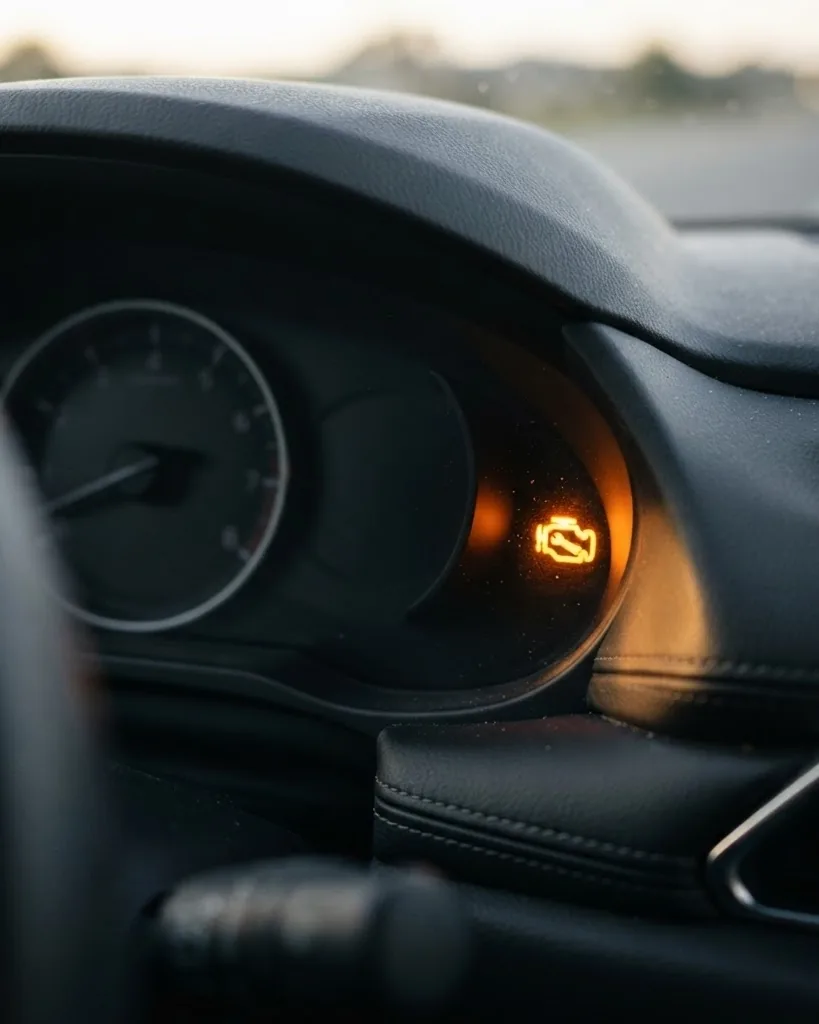
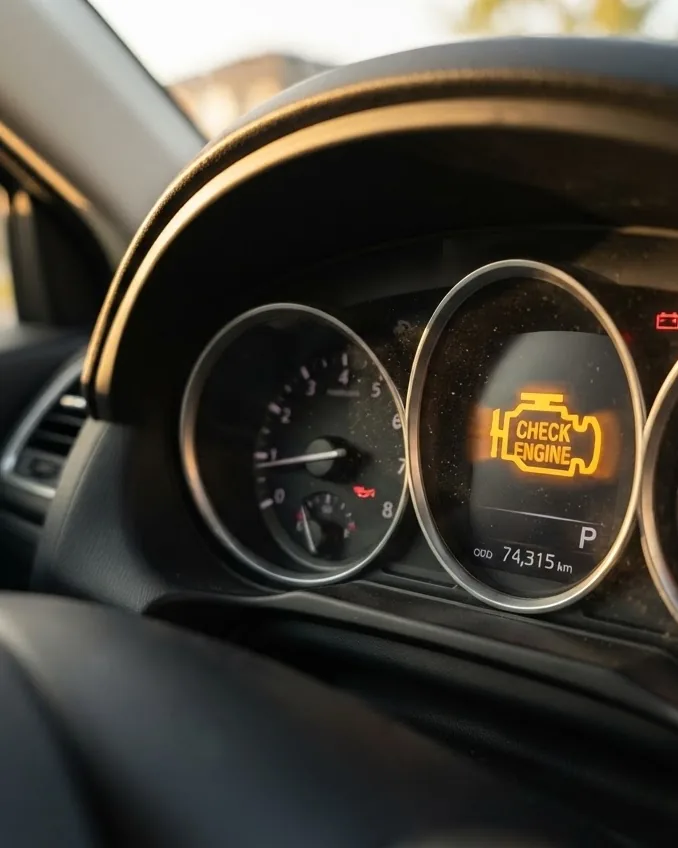
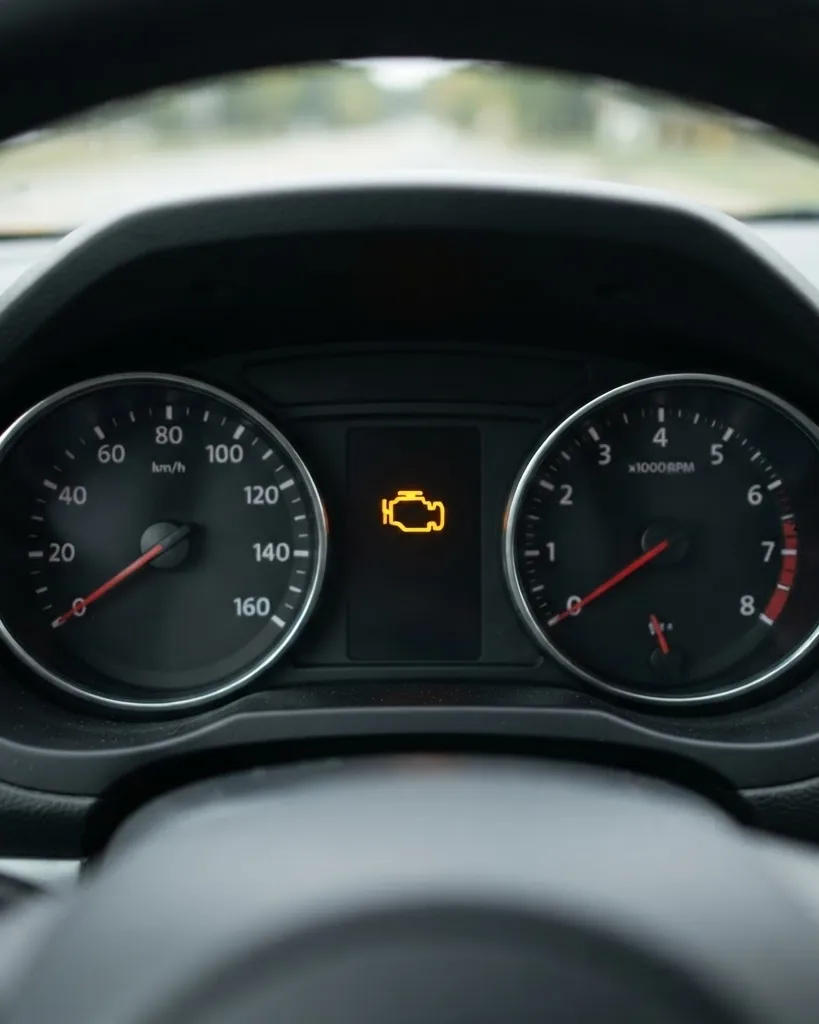
Check engine light blinking is your car telling you a misfire is dumping raw, unburned fuel into the exhaust right now, and that fuel can melt your catalytic converter within minutes. A blinking check engine light is not the same as a steady one. Steady means a fault was logged. Blinking means a catalyst-damaging event is happening while you read this, so the correct move is to reduce load and stop driving as soon as it is safe.
The federal onboard diagnostics system, mandated by the U.S. Environmental Protection Agency on all US gasoline light-duty vehicles since model year 1996 as part of its vehicle emissions inspection and maintenance program, flashes that lamp only when the misfire rate crosses a hard threshold. It does not flash for a sensor glitch or a loose gas cap. It flashes for one specific reason: combustion that is not happening the way it should, cylinder by cylinder, measured many times per second. Below is the specific, numbered version of what is going wrong, how fast it gets expensive, and what a shop actually does about it.
Quick answer: A blinking check engine light signals an active engine misfire severe enough to damage your catalytic converter. Stop driving. If a cylinder is not firing, raw fuel washes into a red-hot converter and can destroy the substrate in as little as 5 to 20 minutes of sustained highway driving. Replacement runs roughly $500 to $2,500, and past $4,000 on high-value converters. Get it towed or drive only short, gentle, low-load distances. The lamp turns steady once the misfire drops below the catalyst-damage rate, but the fault still needs prompt diagnosis and repair.
Blinking Versus Solid: The Threshold That Decides Your Day
A blinking lamp and a solid lamp report two different severities of the same warning system, and the difference is a measured misfire percentage, not a random flicker in the wiring. The powertrain control module counts misfires over rolling windows of 200 and 1,000 crankshaft revolutions, a monitor design defined by the California Air Resources Board OBD-II regulation. That dual window matters: the 200-revolution count catches a sudden severe event fast enough to protect the converter, while the 1,000-revolution count tracks a slower, chronic emissions problem that would not justify an emergency flash on its own.
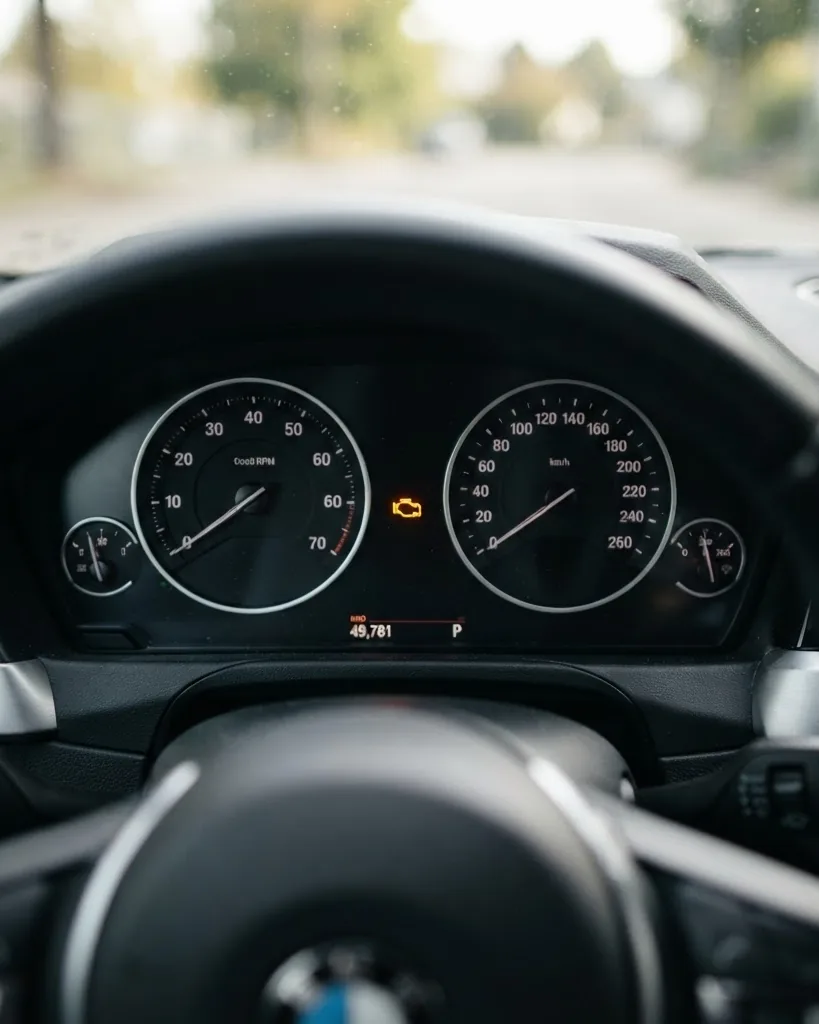
When the misfire rate stays above roughly 2.5 percent, the module logs an emissions-threshold fault and holds the lamp solid. When the rate climbs into the catalyst-damage band, roughly 5.75 percent to 22.25 percent depending on manufacturer and load, the module flashes the lamp to warn that the converter is being cooked. That flashing state is the emergency version. Solid is a problem you schedule; blinking is a problem you handle immediately.
- Solid amber: a fault is stored, the car is usually driveable to a shop soon, misfire rate above about 2.5 percent.
- Blinking amber: active catalyst-damaging misfire, rate in the roughly 5.75 to 22.25 percent band, stop and address now.
- Flash then goes solid: the misfire dropped below the damage rate but the fault remains, so prompt inspection is still required.
The lamp itself is the Malfunction Indicator Lamp, the standardized warning the emissions system uses to report against EPA standards. Do not read a lamp that stops blinking as an all-clear. It means conditions eased, not that the damage stopped accumulating. The module is still counting misfires in the background every time you drive, and a repeat trip up a grade or a repeat hard merge onto a highway can push the rate right back over the line.
Why a flash can turn back into a steady glow
Load changes the math. Coast off the throttle, drop your speed, and a marginal cylinder may fire cleanly enough to pull the rate back under the catalyst-damage threshold. The lamp goes steady. The underlying fault, a fouled plug or a weak coil, has not fixed itself, so the next hard acceleration can trigger the flash all over again. Some drivers describe this as the light “clearing itself” after a few miles. It has not cleared. The code is still stored, and the module is simply not seeing enough misfires per revolution window at that moment to justify the more urgent warning.
How Fast a Blinking Light Destroys Your Catalytic Converter
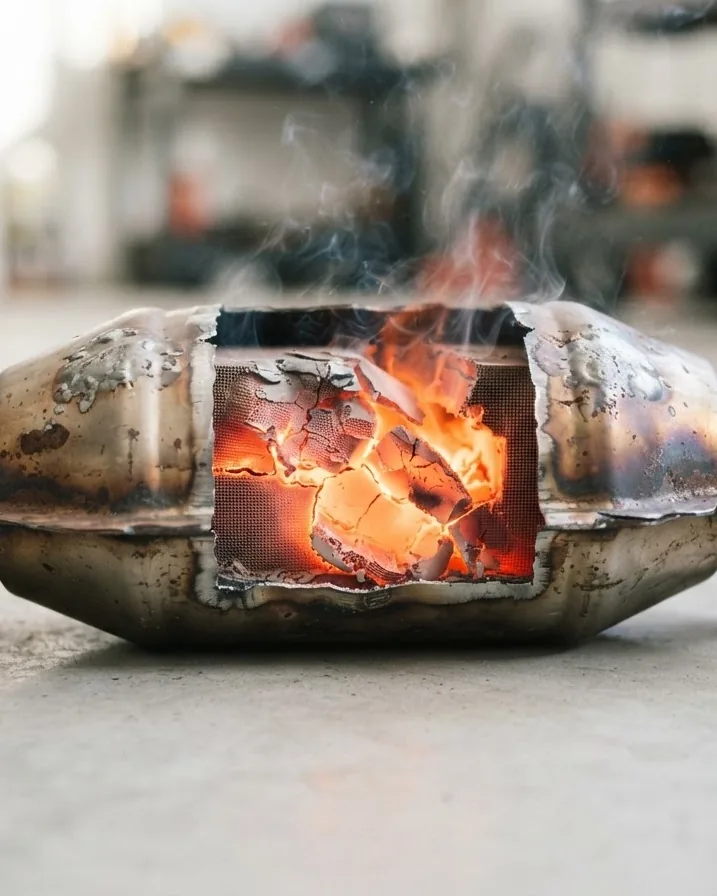
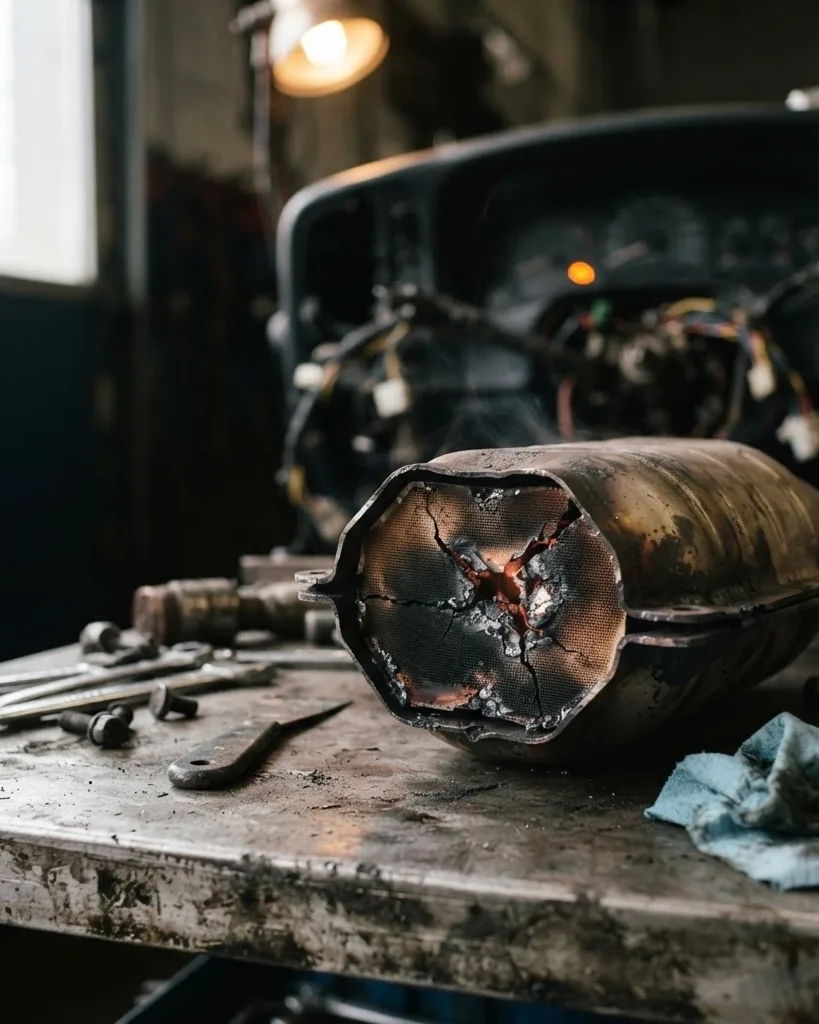
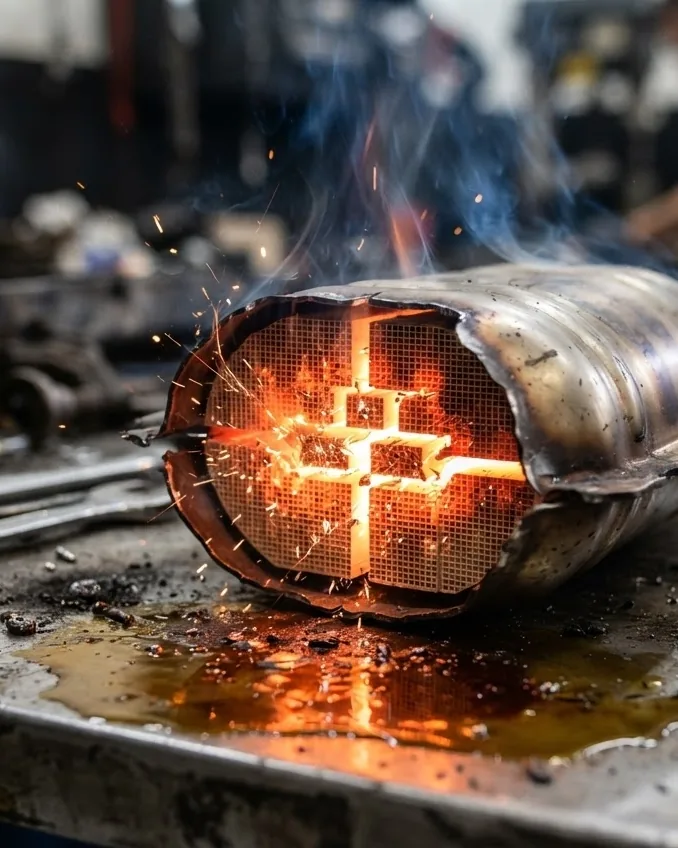
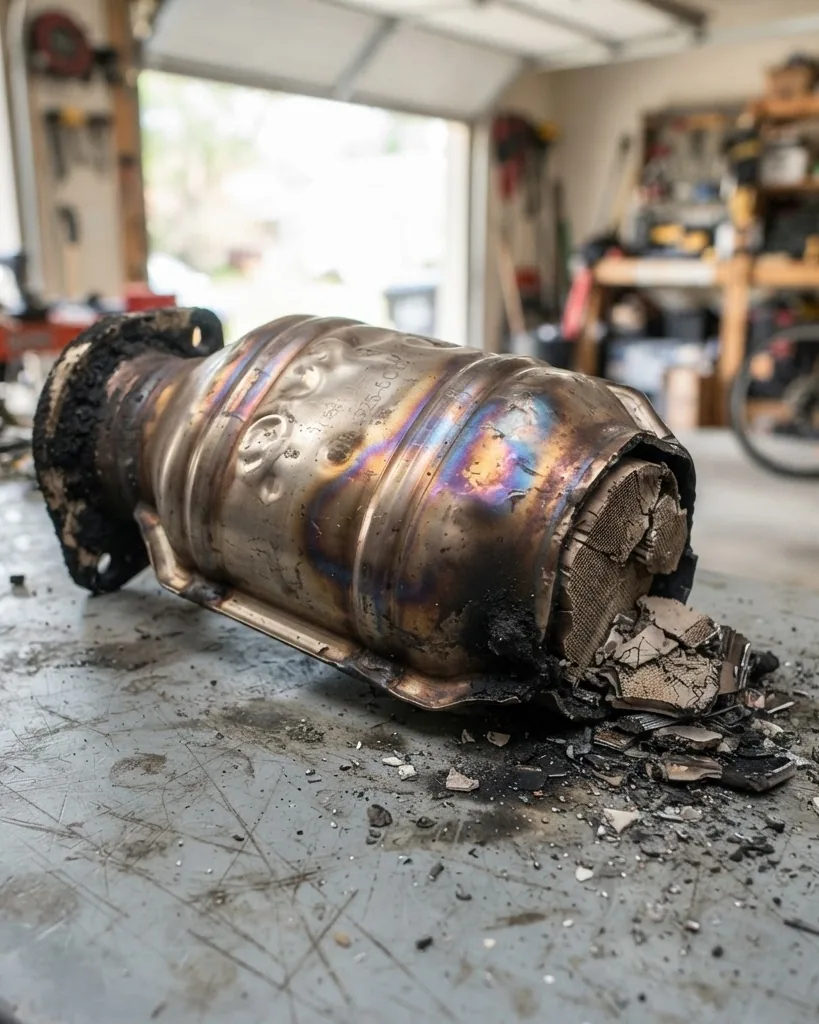
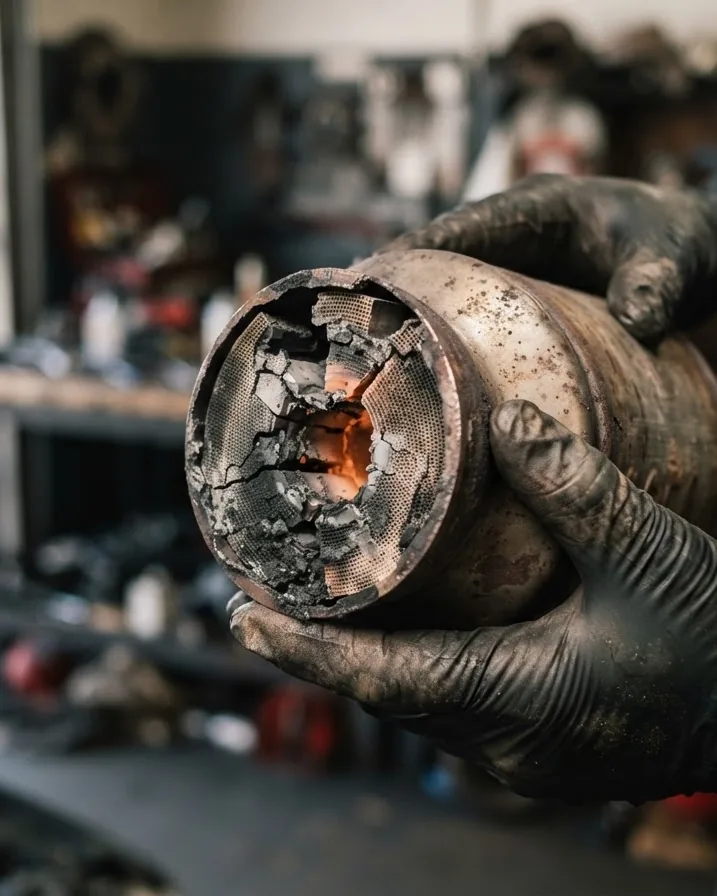
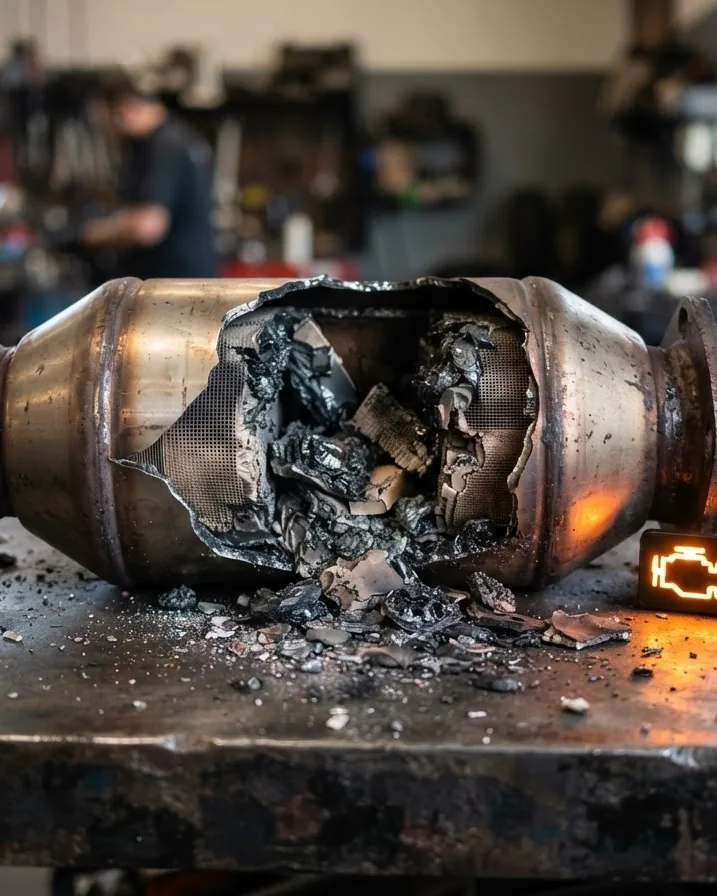
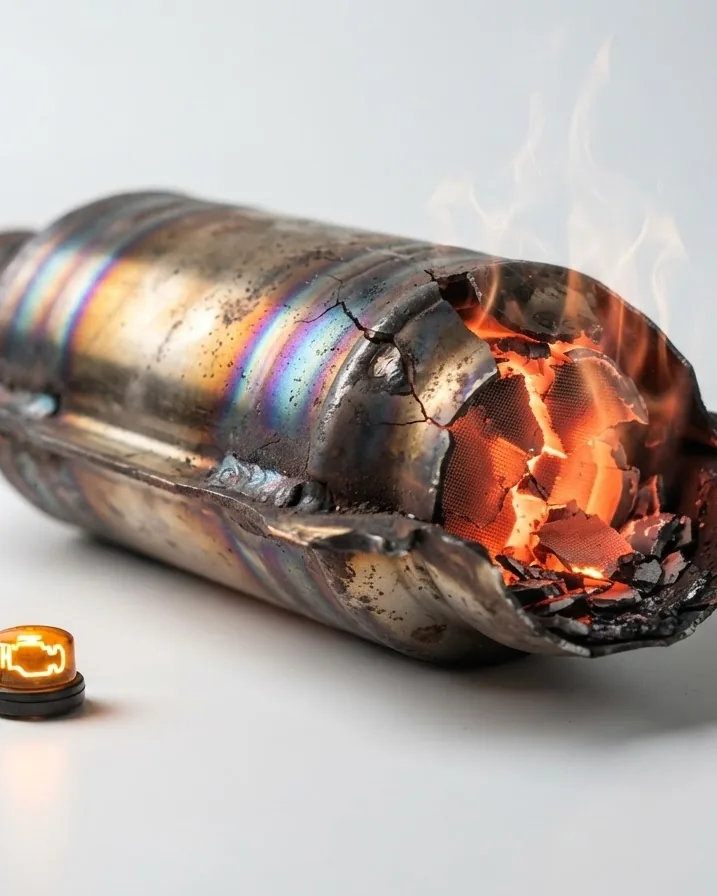
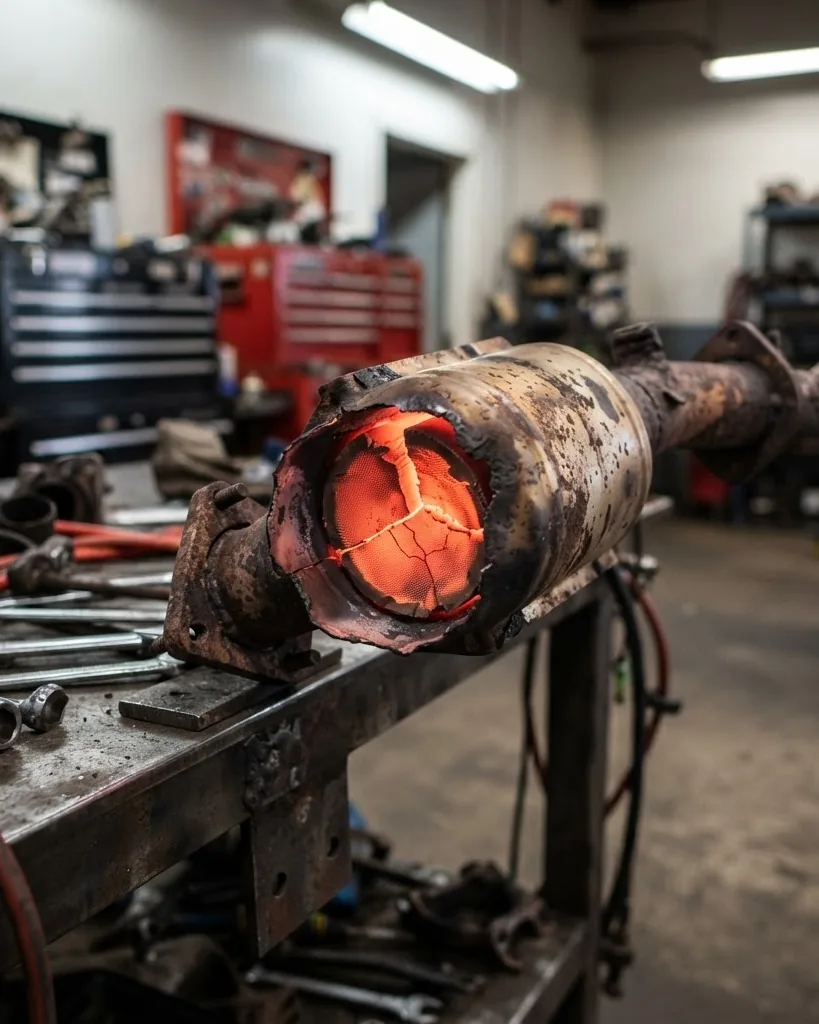
An active misfire destroys a catalytic converter faster than most drivers expect, and the mechanism is simple physics. A dead cylinder still pumps its air-fuel charge, but that charge never burns in the combustion chamber. It travels down the exhaust as raw fuel, reaches the catalyst, and ignites there instead. The converter substrate is already operating hot, and this extra combustion pushes it past its melting point. A severe active misfire can damage the converter in as little as 5 to 20 minutes of sustained highway driving, with damage still accumulating, more slowly, even at idle. Once the ceramic substrate melts, it cannot be repaired. It can only be replaced, which is why the timing matters so much.
The cost is where a blinking lamp stops being an abstraction. Catalytic converter replacement typically runs $500 to $2,500 depending on the vehicle, and high-value or exotic converters push total repair bills past $4,000. Compare that to the part that usually caused the misfire. A set of spark plugs or a single ignition coil is a fraction of that figure for most four and six cylinder engines. Driving on a flashing lamp turns a small ignition repair into a converter repair, and sometimes into both at once when the melted substrate restricts flow and stresses the rest of the exhaust, including the oxygen sensors mounted just downstream.
- Time to damage: roughly 5 to 20 minutes of sustained highway driving under an active severe misfire.
- Converter replacement: about $500 to $2,500 typical, past $4,000 on exotics.
- Repairability: none once the substrate melts, replacement only.
If you must move the car, keep it short, gentle, and low-load. Avoid towing, hills, and highway passing, because each of those spikes the misfire rate and the exhaust temperature at the same time.
Why exhaust temperature makes the damage nonlinear
The converter is not damaged in a straight line with time. It gets progressively hotter as raw fuel keeps arriving, so the first few minutes of an active misfire cause far less harm than the next few. The 5 to 20 minute range reflects that damage speed varies with misfire severity and load. The practical takeaway is the same either way. There is no safe number of extra minutes to “just get somewhere,” because you cannot see the internal temperature climbing.
Every Cause of a Blinking Light, Ranked by How Often It Happens
Nearly every flashing lamp traces back to combustion that stopped happening in one or more cylinders, so the cause list is really a list of things that steal spark, fuel, air, or compression. Ignition problems sit at the top because they are the most common and the easiest to trigger, followed by fuel delivery, then air and vacuum issues, then sensors, then genuine mechanical failure. Two components appear on this list as both cause and effect: the EGR valve, which can stick open and lean out a cylinder, and the catalytic converter itself, which can clog badly enough to choke the engine into misfiring. A loose or failed gas cap is the mild outlier, capable of a flash-then-clear on some systems.
- Ignition (most common): worn spark plugs, failing ignition coils, or damaged plug wires that cut spark to a cylinder.
- Fuel delivery: clogged or dead injectors, a weak fuel pump, a restricted filter, or low fuel pressure starving the mix.
- Air and vacuum: intake vacuum leaks or a dirty mass airflow sensor throwing the air-fuel ratio off.
- Sensors: oxygen sensor, crankshaft position sensor, or camshaft position sensor feeding bad data to the module.
- Mechanical: low compression, a blown head gasket, burnt valves, or a jumped timing chain.
- EGR and catalyst: an EGR valve stuck open, or a clogged converter that itself provokes misfire.
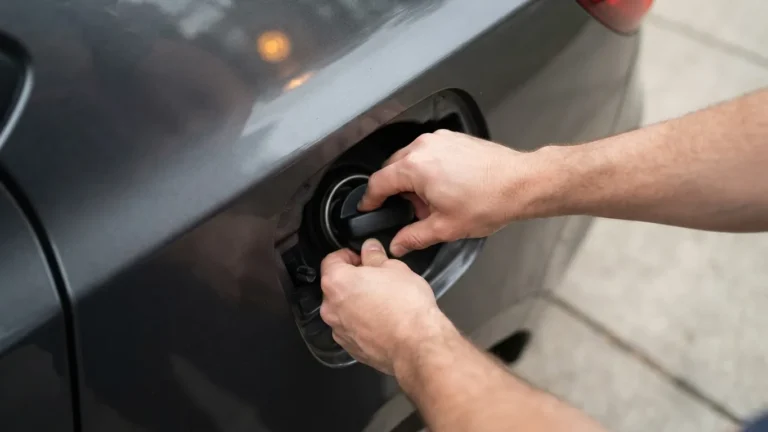
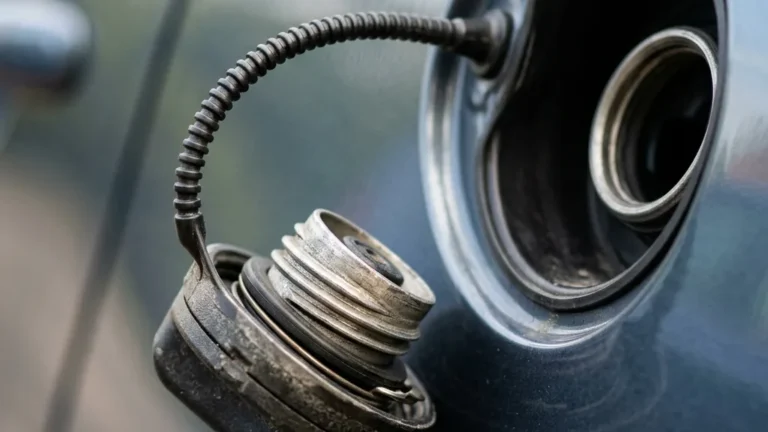
- Gas cap: loose or failed, a minor trigger that can cause a brief flash before clearing.
The ranking matters for your wallet. Because ignition parts head the list, most blinking-lamp events end at a plug or coil rather than a teardown. That is also why skipping spark plug service is such a reliable way to invite this failure. If you want a broader map of dashboard warnings and no-start behavior, the site keeps a full guide to reading the check engine light that pairs well with the diagnostic steps below.
Rough repair cost expectations follow the same order as likelihood, which is useful when you are deciding how worried to be before the diagnosis comes back. A single ignition coil is typically the least expensive of the likely repairs on most cars. A full set of spark plugs is usually a few hundred dollars depending on how buried they are in the engine bay. Fuel injector cleaning or replacement climbs from there, and a genuine mechanical failure like a head gasket can rival or exceed the cost of the converter itself. Knowing where your symptom sits in this list before the shop calls back helps you ask better questions and avoid surprise upsells.
A Worked Example: Following One Blinking Light From Trigger to Repair
A concrete case makes the thresholds easier to use. Picture a four-cylinder commuter car with original spark plugs, well past most manufacturer intervals. The driver merges onto a highway, floors it briefly to clear traffic, and the check engine light starts flashing during that hard acceleration. The scan tool pulls a P0303, a misfire specifically on cylinder 3. Under load, that cylinder’s worn plug cannot bridge the gap reliably, unburned fuel exits into the exhaust, and the misfire rate on cylinder 3 spikes well above the catalyst-damage threshold for those few seconds of hard acceleration.
The driver eases off, the lamp goes solid, and they limp home at moderate speed avoiding hills. A shop replaces all four spark plugs and the coil on cylinder 3, since a coil failure often accompanies or accelerates plug wear on that cylinder. Mode $06 data pulled before the repair shows cylinder 3’s misfire count climbing steadily over the last several trips, while the other three cylinders stay flat, confirming the fix targeted the right spot. After the repair, the code is cleared and a drive cycle is completed before the car is called done. That is the difference between a modest repair and a major one: the driver stopped hard acceleration the moment the lamp flashed instead of continuing the commute at highway speed.
The Code-Level Diagnostic Path: P0300 Versus P0301 to P0308
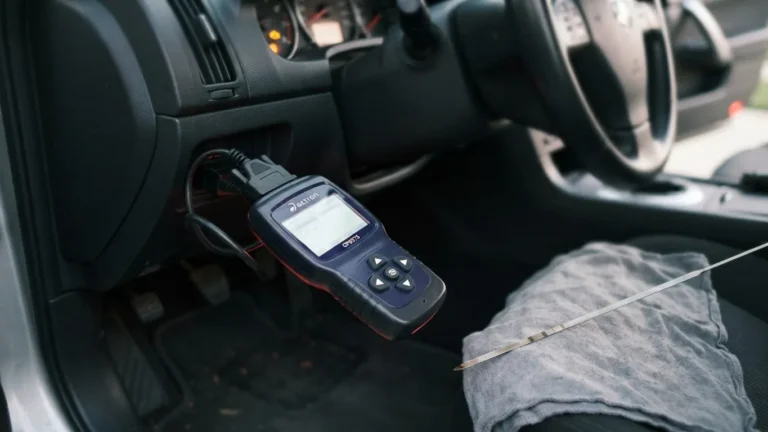
The scan tool turns a vague flashing lamp into a specific cylinder, and the trouble codes follow a numbering standard set by SAE International in its J2012 diagnostic trouble code definitions. Plug an OBD-II scanner into the port and read the stored codes. P0300 means a random or multiple-cylinder misfire, the code that shows up when the module cannot pin the fault to one cylinder. P0301 through P0308 name the exact offender: misfire in cylinders 1 through 8 respectively. That granularity is the whole game. A P0304 tells you to inspect cylinder 4 first instead of shotgunning parts across the whole engine.
The scan test modes themselves follow SAE J1979, which standardizes the diagnostic modes and parameter identifiers your tool talks to. Alongside the code, most scanners will also show freeze frame data, a snapshot of engine speed, load, coolant temperature, and fuel trims captured the instant the code set. That snapshot tells a technician whether the misfire happened at idle, under load, or during a cold start, which narrows the cause list further before a single part is removed.
For anything beyond reading the code, Mode $06 is where the depth lives. It reports the raw misfire counts per cylinder and the pass-fail results of onboard monitors, so you can watch which cylinder is climbing toward the catalyst-damage rate in near real time. A capable technician uses that live data plus the P-code to separate a spark problem from a fuel or compression problem before touching a wrench. This step is what separates a targeted repair from a guess-and-replace bill that swaps every plug and coil regardless of which cylinder is actually failing.
DIY versus shop, honestly
Reading the code and swapping a plug or coil on the flagged cylinder is a reasonable driveway job. Chasing a P0300 with no single-cylinder code, or a code that points at compression, a head gasket, or timing, is shop territory. A compression test or a cylinder leakdown test needs equipment and experience most home garages do not have, and misdiagnosing a mechanical failure as an ignition problem wastes money on parts that were never the issue. If you also see the brake or fluid warnings acting up, checking your brake fluid color as a quick health check rules out unrelated dashboard noise while you focus on the misfire.
Edge Cases That Confuse Drivers
A few situations do not fit the simple flash-versus-solid picture, and they are worth knowing about before they catch you off guard.
- Multiple codes at once: a P0300 alongside a P0171 or P0174 fuel trim code often points to a vacuum leak or fuel delivery problem causing several cylinders to misfire together, rather than one bad plug. Fix the shared root cause first instead of chasing each cylinder individually.
- Cold start flash that disappears: some engines misfire briefly on a cold start before oxygen sensors and fuel trims stabilize, and a lamp can flash for a few seconds then go solid or clear. Treat any flash as real until a scan confirms otherwise, since the module would not flash without meeting the catalyst-damage threshold at that moment.
- Hybrid vehicles: the gasoline engine in a hybrid cycles on and off, so a misfire event may be brief and intermittent by design. The same misfire-rate math still applies whenever the engine is running, and the catalytic converter is just as vulnerable during those shorter run windows.
- Aftermarket parts: non-OEM ignition coils and plugs of poor quality are a common repeat cause of a lamp returning within weeks of a repair. A cheaper part that fails prematurely can trigger the exact same flash the original fault caused.
- Towing another vehicle or a trailer: added load increases the chance a marginal cylinder tips over the catalyst-damage threshold, so a flash that appears only while towing is not a coincidence.
The Emissions and Legal Consequence Nobody Warns You About
A blinking or recently stored misfire code will fail an emissions inspection outright, regardless of how clean the tailpipe reads. In California’s biennial Smog Check, an active check engine light or a stored emissions-related trouble code such as P0300 is an automatic fail, even when measured tailpipe emissions sit within limits. That rule flows from Title 13 of the California Code of Regulations, section 1968.2, the California Air Resources Board OBD-II regulation that defines misfire monitoring and the catalyst-damage versus emissions-threshold lamp behavior. The inspection is not sniffing your exhaust and forgiving you. It is asking the onboard computer whether it has logged a fault, and a misfire code answers yes.
Clearing the code right before a test does not work either, and this trips up a lot of drivers. When you erase codes, you also reset the readiness monitors, the self-tests the computer must complete to prove its systems are functioning. An inspection station reads those monitors as not ready and fails or rejects the car until they run. That means fixing the misfire, then driving a specific drive cycle so the monitors re-set to complete before you return for the re-test. Repair first, drive cycle second, re-test third, in that order.
- Auto-fail trigger: active lamp or stored emissions DTC, tailpipe numbers irrelevant.
- Governing rule: Title 13 CCR section 1968.2, enforced through the California Smog Check program.
- Clearing trap: erasing codes resets readiness monitors and blocks the re-test.
The National Highway Traffic Safety Administration adds another layer worth checking. It works with manufacturers on Technical Service Bulletins and recalls tied to misfire and trouble-code conditions, so a chronic misfire on your model may already have a documented fix or a covered repair. This is worth a five-minute search before paying for diagnosis out of pocket, since a known defect covered under a bulletin can mean the repair, or at least the diagnostic time, is free.
After the Repair: Clearing Codes and Passing the Re-Test
Fixing the misfire is only two-thirds of the job; the car has to prove it is healthy before it will pass again. Once the failed plug, coil, injector, or sensor is replaced, clear the stored code with the scanner. Then complete a drive cycle, a specific sequence of cold start, idle, steady cruise, and controlled acceleration and deceleration that lets the module re-run its self-tests. As those tests pass, the readiness monitors flip to complete. Only then does the emissions system have the data an inspection demands. Skip the drive cycle and you arrive at the station with monitors not ready, which reads as a fail even though the repair itself was correct.
How long the drive cycle takes
Exact steps vary by manufacturer, but the pattern is consistent: a cold start after the car has sat, a stretch of steady-speed cruising, and a mix of gentle acceleration and coast-down phases. Several short trips rarely finish it because monitors need sustained, varied conditions. One deliberate longer drive covering city and highway speeds usually completes more monitors than a week of stop-and-go commuting. If a monitor still shows incomplete after that, a second longer drive with more highway cruising time is the next step before assuming something else is wrong.
Prevention: The Maintenance That Keeps the Lamp Steady
Most blinking-lamp emergencies are preventable through the maintenance that keeps combustion clean. Because ignition heads the cause ranking, replacing spark plugs on the manufacturer interval is the single highest-value habit, since worn plugs are the classic path to the misfire that trips the flash. Fuel quality matters too. Running Top Tier Detergent Gasoline, which carries detergent additive levels above the EPA minimum, keeps injectors and intake valves cleaner than baseline fuel, which protects the fuel and air side of the misfire equation. One more rule: do not run the tank down to fumes repeatedly, because a near-empty tank can lean out cylinders and provoke a flash.
- Spark plugs on schedule: the top-ranked cause is also the easiest to prevent.
- Top Tier fuel: detergent levels above EPA minimum keep injectors and valves clean.
- Do not run dry: a near-empty tank can lean cylinders and trigger a flash-then-clear.
Prevention on the ignition side pairs naturally with the rest of your maintenance rhythm. Drivers who track wear methodically, the same way they track their brake pad mileage and millimeter thresholds, catch a tired coil or plug before it ever reaches the catalyst-damage rate. A blinking lamp is almost always a maintenance item that was allowed to fail loudly instead of being replaced quietly.
Frequently Asked Questions
Can I drive with a check engine light blinking?
No. A flashing lamp means an active misfire is damaging your catalytic converter, and severe cases can melt the substrate in 5 to 20 minutes of highway driving. If moving the car is unavoidable, keep it short, gentle, and low-load, and avoid towing, hills, and highway passing. The safer choice is to stop and have it towed to a shop.
What is the difference between a flashing and a solid check engine light?
A solid lamp means a fault was logged, usually a misfire rate above about 2.5 percent, and the car is generally driveable to a shop soon. A flashing lamp means the misfire rate reached the catalyst-damage band, roughly 5.75 to 22.25 percent, and the converter is being cooked right now. Flashing is the emergency version that demands you stop.
How much does it cost if I keep driving on a blinking light?
The gamble is expensive. A misfire usually starts as a spark plug or coil, an inexpensive fix, but driving on the flash risks a catalytic converter, which typically costs $500 to $2,500 and can exceed $4,000 on exotic vehicles. Once the substrate melts it cannot be repaired, only replaced, so a small ignition job can become a major exhaust bill.
What code does a blinking check engine light usually show?
Almost always a misfire code. P0300 means a random or multiple-cylinder misfire, while P0301 through P0308 identify a misfire in cylinders 1 through 8 respectively, following SAE International J2012 numbering. Reading the exact code with an OBD-II scanner tells you which cylinder to inspect first, which saves you from replacing parts across the whole engine.
Will a blinking light fail an emissions or smog test?
Yes. In California’s biennial Smog Check, an active check engine light or a stored emissions code like P0300 is an automatic fail, even when tailpipe emissions test clean, under Title 13 CCR section 1968.2. Clearing the code first backfires because it resets readiness monitors, so you must repair the fault, run a drive cycle, then re-test.
Does the light going steady mean the problem fixed itself?
No. A flash that settles into a steady glow means the misfire dropped below the catalyst-damage rate, often because you eased off the throttle, not that the fault is gone. The stored code remains and the underlying plug, coil, or sensor still needs repair. Prompt inspection is required, because the next hard acceleration can trigger the flash again.
What if the light flashes only when towing or under heavy load?
That pattern almost always means a marginal cylinder that fires fine at light throttle but fails under the extra fuel and airflow demanded by load. It is still a real misfire and still damages the converter while it is happening, so avoid towing until the cylinder is diagnosed and repaired, even if the lamp behaves normally the rest of the time.