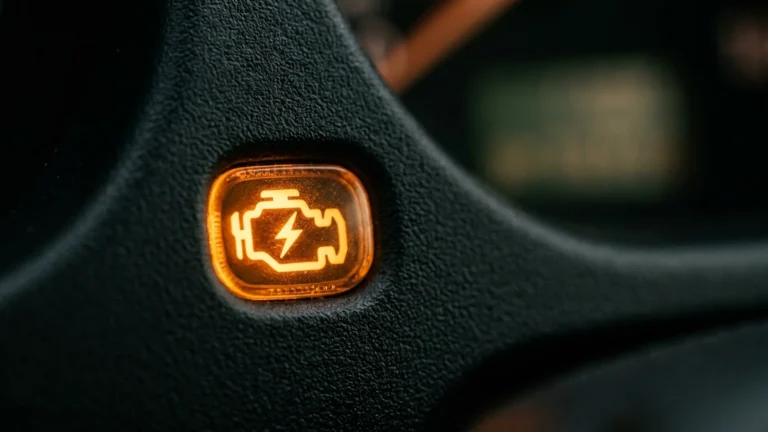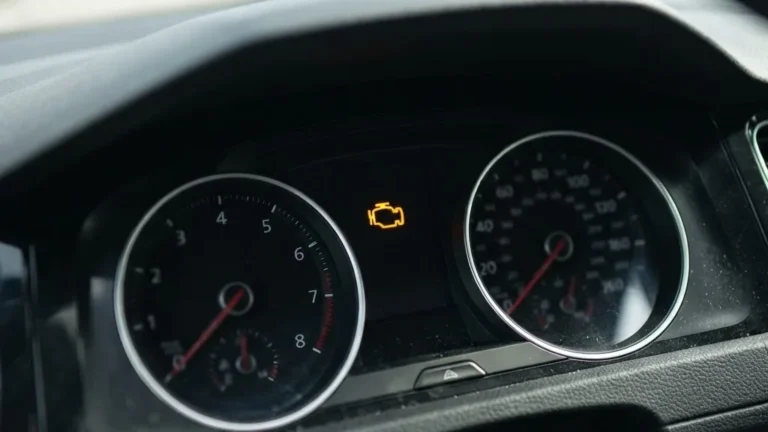
Quick version: check engine light on gas cap loose is one of the most common and least scary reasons your dash lights up. A loose, cracked, or missing fuel cap lets fuel vapor escape, the car’s emissions system detects the leak, and it turns on the light. Tighten the cap until it clicks, and the light usually clears on its own after about 20 to 30 miles of normal driving. If it has not cleared after a week, or if it is flashing rather than steady, the cap is not your problem and you need to look further.
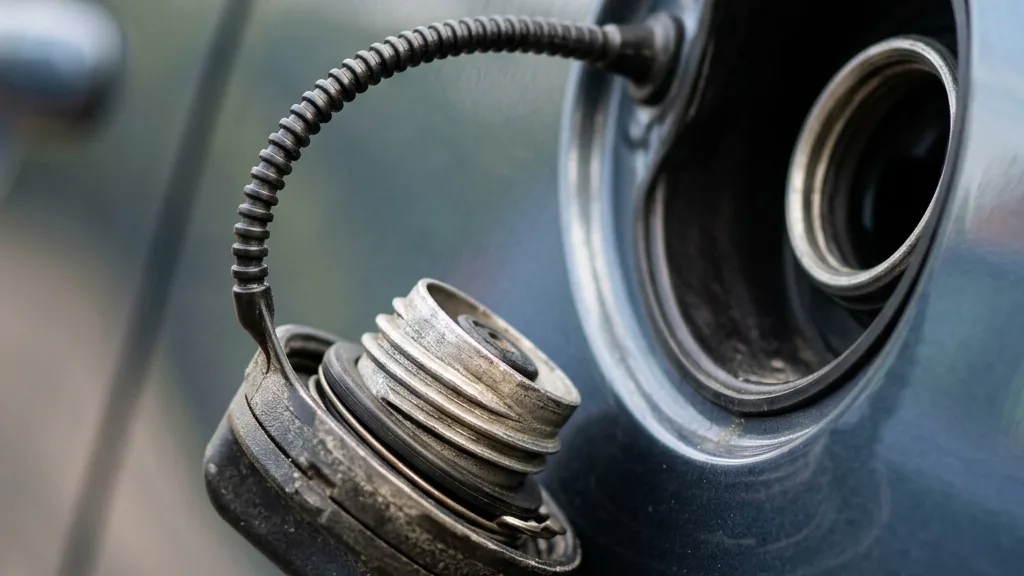
A car fuel cap seated in the open fuel filler neck
It sounds too simple, but a loose fuel cap is a genuine, designed-in trigger for the check engine light. Your fuel tank is a sealed system, and the cap is part of that seal. When the cap is not tight, fuel vapor leaks out, and the car reads that leak as an emissions fault and lights the dash to tell you. This is good news, because it is the cheapest possible cause: no parts, no shop, often just a firm twist. According to the U.S. Environmental Protection Agency, the evaporative emissions system exists specifically to stop fuel vapor from reaching the air, which is exactly why your car watches the cap so closely. So before you fear a major repair, rule out the cap first; it is right four times out of five for a steady light with no other symptoms.
Why the gas cap sets off the light
The mechanism is the evaporative emission control system, usually shortened to EVAP. The EVAP system keeps fuel vapors sealed inside the tank and routes them to a charcoal canister to be burned later, instead of venting to the atmosphere. To do that, the whole system has to hold pressure, and the gas cap is the most exposed part of that seal. The car periodically runs a self-test, pressurizing or monitoring the system; if it senses a leak the cap should have closed, it stores a trouble code and turns on the light. A cap that is loose, cross-threaded, or has a dried-out rubber gasket all read the same way to the computer: leak. That is why a two-second fix at the pump can prevent a warning that looks alarming on the dash.
The trouble codes, decoded
If you or a shop scan the car, the exact code tells you how big the leak is and whether the cap is the likely cause. These are standardized OBD-II codes, defined under SAE International standards, so they mean the same thing on any car.
| Code | What it means | Likely cause |
|---|---|---|
| P0457 | EVAP leak – cap level | Loose or missing gas cap (most common) |
| P0455 | Large EVAP leak | Cap badly sealed, or a hose off |
| P0456 | Very small EVAP leak | Cap gasket, or a tiny line crack |
If the scan shows P0457, the cap is the prime suspect and you should start there. A large or very small leak code can still be the cap, but it more often points to a hose, the purge valve, or the canister, so do not assume the cap will fix every EVAP code.
How to fix it, step by step
The repair is usually free and takes under a minute. Do these in order before you spend anything.
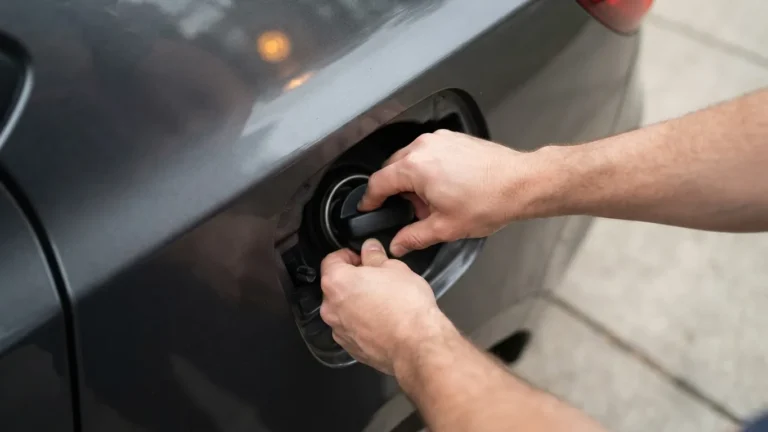
- Retighten the cap until it clicks. Twist it on firmly; most modern caps click two or three times when fully sealed. If you stopped at one click, that can be enough to trip the light.
- Inspect the seal. Pull the cap and look at the rubber gasket. A cracked, hardened, or missing gasket will not seal even when tight.
- Check the threads. Make sure the cap is not cross-threaded and that the filler neck is clean.
- Replace it if the gasket is bad. A new cap is a cheap part, usually 10 to 25 dollars, and it must match your vehicle to seal correctly.
- Then drive normally and let the system re-test, which is covered next.
If the cap clicks, the gasket is good, and the light still will not clear after the drive cycles below, the cap was not the cause and it is time to scan for the real code.
How long until the light resets
This is where people get worried for no reason: the light does not go out the instant you tighten the cap. The car has to run its EVAP self-test again, and that only happens under the right conditions, so it takes a few drive cycles, commonly about 20 to 30 miles of mixed driving. A full emissions monitor can take longer, anywhere up to one to two weeks, depending on how and where you drive. During that window the light staying on is normal, not a sign the fix failed. The thing to watch is the trend: if the cap is sealed, the light should clear within that window. If you are past two weeks of normal driving and it is still on, treat the cap as ruled out and move to a scan.
How to reset it manually (faster)
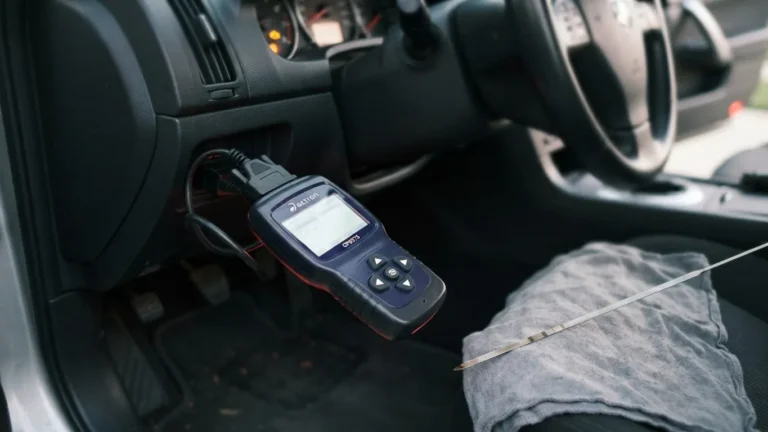
If you do not want to wait for the drive cycles, you can clear the code yourself. The clean way is an OBD-II scan tool: plug it into the port under the dash, read the stored code to confirm it was the cap, then use the tool to erase it. The other method is to disconnect the negative battery terminal for about 30 to 60 seconds, which wipes the computer’s stored faults; the trade-off is that it also resets your radio presets and some settings, and it can hide a real problem if the cap was not actually the cause. For dashboard warnings in general, our guide on how to reset the check engine light walks through both methods in detail. Whichever you use, only clear the light after you have actually fixed the seal.
When it is not the gas cap
The cap is the first suspect, not the only one, and assuming it every time is how people miss a real fault. If you have tightened a good cap and driven through the reset window and the light is still on, the leak is somewhere else: a stuck EVAP purge or vent valve, a cracked vapor hose, or a failing charcoal canister. Those need a scan to pinpoint, because they share the same P0455 or P0456 codes a cap can throw. A faint fuel smell or a small drop in fuel economy can accompany an EVAP leak, but if you also feel rough running, hesitation, or see a flashing light, that is a different and more serious problem, described next. The rule is simple: cap first, scan second, guess never.
Steady light versus flashing light
The single most important distinction on your dash is steady versus flashing, and it changes what you should do right now. A steady check engine light, like the one a loose cap causes, means the car logged a fault it wants looked at soon, but it is generally safe to keep driving in the short term. A flashing or blinking check engine light means an active engine misfire that can dump raw fuel into and damage the catalytic converter; that is not an emissions seal issue and you should ease off the throttle and get it checked promptly. So a loose gas cap will only ever give you a steady light. If yours is flashing, stop reading about gas caps and treat it as urgent. For the steady kind, our explainer on the check engine soon light covers what the different states mean.
When to see a mechanic
Most loose-cap lights never need a shop, but a few situations do. If the light stays on after you have confirmed a sealed, undamaged cap and driven through the full reset window, have the car scanned, because you are likely chasing a hose, valve, or canister you cannot see. Go sooner if the light is flashing, if you have multiple stored codes, or if you notice a strong or persistent fuel smell, which can indicate a real leak rather than a loose cap. A diagnostic scan is inexpensive next to guessing at EVAP parts one by one. Checking your own cap is a smart first move; knowing when the trail leads past it is what keeps a cheap fix from turning into a wasted afternoon.
Keeping it from coming back
A repeat loose-cap light almost always comes down to habit or a worn part. Get into the routine of turning the cap until it clicks every time you fuel up, since stopping at the first catch is the usual culprit. Replace the cap if the gasket looks dry or cracked, because a tired seal will trip the light intermittently and send you chasing ghosts. If your car uses a capless fuel filler, the same idea applies to the flapper seal inside the neck, which can collect debris and leak. None of this is expensive, and it is far less hassle than a dashboard light you have learned to ignore, which is the one habit that will eventually hide a fault that actually matters.
How a drive cycle works, and why it takes about 20 miles
The reason the light lingers is that the car will not re-run its leak test on demand; it waits for a full drive cycle under specific conditions. A drive cycle usually means a cold start followed by a mix of idling, steady city speeds, and a stretch of highway, often 15 minutes or more of varied driving. The evaporative monitor is fussy: it commonly needs the tank between roughly 15 and 85 percent full, a stable ambient temperature, and no hard acceleration during the test window. Miss any of those and the car simply postpones the check to the next trip.
That is why short hops to the shop and back can take days to clear a fault, while a single highway commute might clear it in one go. The on-board diagnostics framework that governs these monitors is tied to federal emissions certification, which the National Highway Traffic Safety Administration and the EPA both enforce. In plain terms: drive normally for a few varied trips, give the system the conditions it needs, and a sealed setup clears itself.
Mistakes that keep the light on
When a sealed fuel cap still will not clear the warning, the cause is usually one of a few avoidable errors. The first is clearing the code before fixing the seal: wiping the fault with a scan tool or a battery pull does nothing if the gasket is still cracked, and the warning returns on the next test. The second is stopping at the first click; many filler caps need two or three clicks to fully seat, and a single catch reads as a leak.
The third mistake is a generic replacement that does not match the vehicle, since a part that is close but not correct will not hold pressure. The fourth is ignoring the filler neck itself, where dirt, a bent thread, or a torn O-ring at the neck can leak even with a perfect seal. The fifth, which motoring groups such as AAA report often, is simply not driving enough varied miles to complete the monitor before assuming the repair failed. Rule each of these out in order and you avoid throwing parts at a leak that a firm twist and a few miles would have solved.
Does a loose gas cap actually hurt your car?
For the engine itself, a loose cap is one of the most harmless faults you can have. It does not damage the motor, the transmission, or the brakes, and you can keep driving normally while the system resets. The two real costs are small. The first is fuel economy: the evaporative system normally recaptures fuel vapor and feeds it back to be burned, so a poor seal lets a little of that vapor escape instead, a minor and mostly invisible efficiency loss.
The second cost is the one that bites later. A check engine light you have learned to ignore because it was once just the cap is a light you will also ignore when it means something serious. That is the real hazard of treating the warning casually: the next time it comes on it might be a misfire or a sensor fault, and a driver trained to shrug at the light drives right past it. Fix the cap, let the light clear, and keep trusting the warning so it can do its actual job.
Frequently asked questions
Will the check engine light reset itself after I tighten the gas cap?
Usually yes, but not instantly. Once the cap is sealed, the car needs a few drive cycles, often 20 to 30 miles, before the EVAP system re-tests and clears the light. If it has not cleared after about a week of normal driving, scan it or look for another cause.
What trouble code does a loose gas cap throw?
Most often P0457, a small EVAP leak tied to a loose or missing cap. P0455 is a large leak and P0456 a very small one. A scan tool reads the exact code, which tells you whether the cap is really the culprit before you replace anything.
How do I reset the light without driving for days?
Use an OBD-II scan tool to read and erase the code, or disconnect the negative battery terminal for 30 to 60 seconds. Both clear the stored fault, but only do it after the cap is actually sealed, since clearing a live fault just hides it.
Can a loose gas cap waste gas?
A little. The EVAP system normally recaptures fuel vapor and burns it; a poor seal lets some of that vapor escape, which is a small efficiency loss and the environmental reason the system is monitored at all. The bigger cost is usually the worry the light causes.
Is it safe to drive with the light on from a loose cap?
A steady light from a cap issue is low risk for short driving while the system resets. A flashing light is never the gas cap; it points to an engine misfire and means you should drive gently and get it checked promptly rather than waiting.
Bottom line: a check engine light from a loose gas cap is the best-case scenario. Tighten the cap until it clicks, check the gasket, and either wait about 20 to 30 miles or clear the code with a scan tool. If a sealed, sound cap does not fix it within the reset window, or the light is flashing, the cap is ruled out and it is time to scan for the real cause. Cap first, scan second. The whole point of doing it in that order is to spend nothing on the most likely fix before you spend anything on the diagnostics, and to keep the warning trustworthy so it still means something the day it points at a problem that is not this cheap. Tighten, drive a few varied miles, and let the system do the rest; that is the entire repair four times out of five.
Disclaimer: This article is general automotive information, not a diagnosis for your specific vehicle. Confirm codes and procedures for your make, model, and year, and have a qualified technician inspect the car if a warning light persists or flashes.
Sources
- U.S. Environmental Protection Agency – evaporative emissions (EVAP) control system.
- SAE International – OBD-II diagnostic trouble code standards (J2012).
- National Highway Traffic Safety Administration – vehicle on-board diagnostics and safety.