Quick version: a service parking brake message means your electronic parking brake (EPB) has detected a fault in engaging or releasing, and it should be diagnosed rather than ignored. The usual causes are worn rear brakes, low brake fluid, a weak battery or wiring issue, a faulty sensor or actuator, or a relearn that was skipped after rear-brake service. You can usually still drive, but the brake may not hold on a hill, so park on level ground until it is fixed. A basic reset works for some cars; a persistent message needs a scan.
What the message actually means
Almost every recent car uses an electronic parking brake instead of a hand lever or foot pedal, and the service parking brake message is that system flagging a problem. Rather than a cable you pull, an EPB uses a switch and small electric motors that clamp the rear brakes, plus sensors that confirm the brake engaged and released correctly. When one of those checks fails, the car cannot verify the parking brake will actually hold, so it warns you. That is why the message matters: the parking brake is what keeps your car from rolling when parked, and a fault means you cannot fully trust it. It is a diagnostic request, not a cosmetic glitch, and the fix is usually straightforward once you know which part of the chain is unhappy.
Electronic versus manual parking brakes
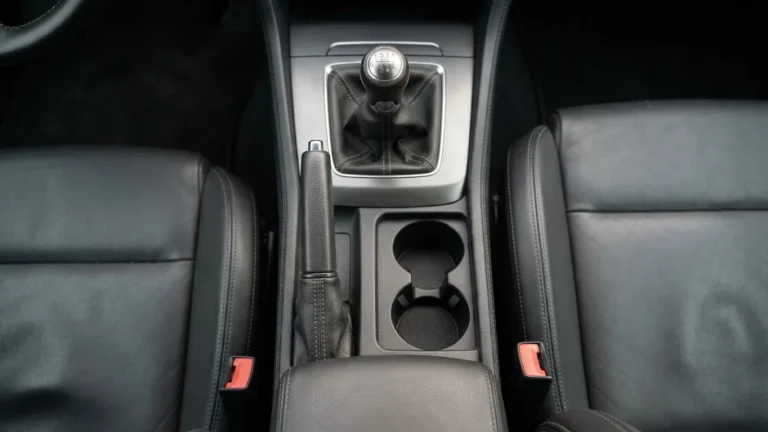
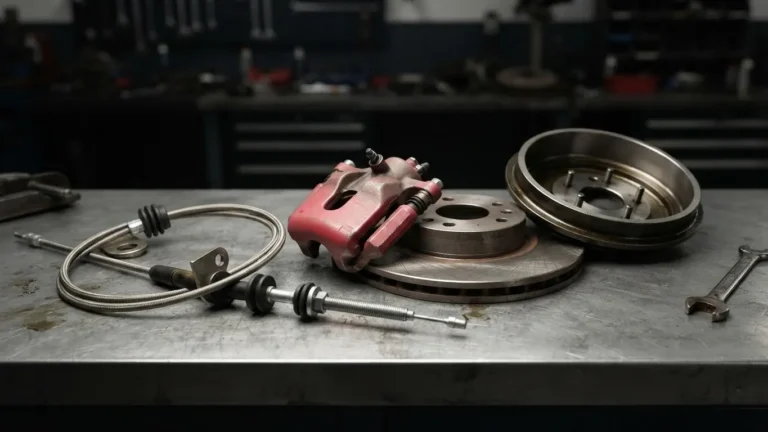
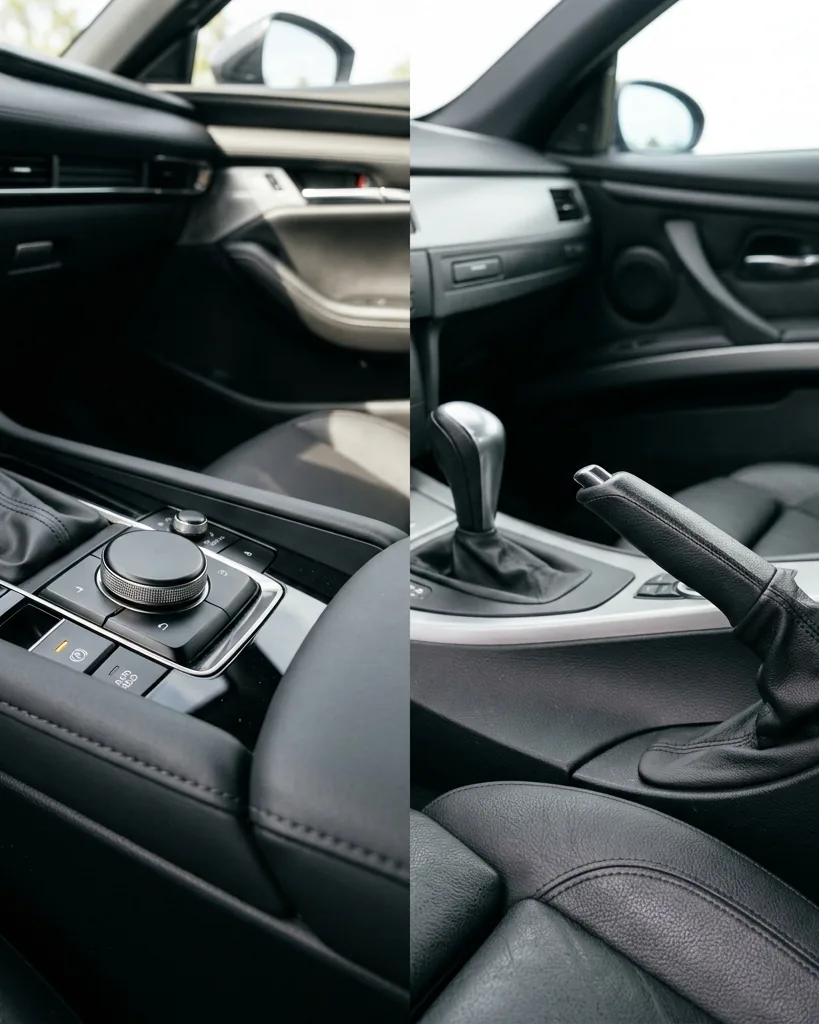
It helps to know which system you have, because it changes the causes. A traditional handbrake or foot-pedal brake is purely mechanical: a cable pulls the rear shoes or pads against the drum or rotor, and it rarely throws a dashboard message. An electronic parking brake replaces that cable with motors, a control module, and sensors, which adds convenience but also adds electrical and software ways to fail. If your car has a small switch marked with a “P” in a circle rather than a lever, you have an EPB, and the service parking brake message is specific to it. The mechanical version can still fail, but it tends to announce itself by feel rather than by a warning, so the rest of this guide focuses on the electronic system that actually triggers the message.
The common causes, from simple to serious
The message has a handful of usual suspects, and they range from trivial to genuine.
- Worn rear pads or shoes: the EPB senses it cannot clamp properly and flags a problem.
- Low brake fluid: falling fluid reduces hydraulic pressure and can trip the warning, which ties into our guide on low brake fluid symptoms.
- Weak battery or wiring: the EPB needs steady voltage, so a tired battery or damaged wiring can cause a fault.
- Sensor or actuator failure: a bad sensor can report a problem even when the brake is mechanically fine, while a failed motor genuinely cannot clamp.
- A skipped relearn after rear-brake service: if the rear brakes were serviced without putting the EPB in maintenance mode and resetting it, the system sees abnormal behavior and lights the message. This is the single most common avoidable cause.
Working from the cheap, common causes toward the expensive ones keeps you from replacing parts you do not need.
The relearn nobody mentions
If your message appeared right after a brake job, the cause is almost certainly a missed relearn, and it is worth understanding because it is so easily fixed. To replace rear pads on an EPB car, the caliper motors have to be retracted using a scan tool or a specific button sequence that puts the system into service mode. If a technician, or a do-it-yourselfer, retracts the pistons the old mechanical way or forgets to put the system back into normal mode, the EPB wakes up to find its motors in an unexpected position and reports a fault. The fix is not a new part; it is running the proper relearn procedure so the system recalibrates to the new pad thickness. Always ask whether the EPB was reset whenever rear brakes are serviced, because skipping it is how a routine job becomes a dashboard warning.
How to reset the electronic parking brake
For some cars a simple reset clears a one-off glitch, and it is worth trying before a shop visit. Procedures vary by manufacturer, so check your manual, but a common sequence looks like this:
- Park safely with the transmission in Park and the engine running.
- Hold the EPB switch in the engaged position until the brakes set.
- Turn the car off and wait about 5 seconds.
- Restart, then press and hold the brake pedal.
- Press the EPB switch to release, which on many cars completes the cycle and clears a transient message.
If the message clears and stays gone, it was a glitch. If it returns, do not keep resetting it; the system is reporting a real fault that needs to be read with a scan tool.
Diagnosing a message that keeps coming back
A persistent service parking brake message is the car asking for a proper diagnosis, and the path is logical. Start with the cheap checks: look at the brake fluid level and top up the right fluid if it is low, and test or load-check the battery, since weak voltage is a frequent and overlooked trigger. From there, an OBD-II scan tool that reads chassis and EPB-specific codes will point to the actual fault, whether that is a rear caliper motor, a wheel-speed or position sensor, or the control module. Because the EPB is part of the wider braking system, the same scan often surfaces related issues worth addressing at once. If you are not equipped to read EPB codes or work on the rear calipers, this is a sensible point to hand it to a brake specialist rather than guessing at parts.
Can you drive with the warning on?
In most cases the car will still drive and the regular foot brakes still work, since the parking brake and the service brakes are separate functions. The real risk is that the parking brake may not hold the car when parked, which matters most on a slope. Until it is fixed, park on level ground where you can, and always leave an automatic in Park or a manual in gear as a backup so the vehicle cannot roll. Treat a persistent message as a near-term repair rather than something to live with, because a parking brake you cannot trust is a safety gap that shows up at the worst possible moment, when the car is unattended. The National Highway Traffic Safety Administration classifies parking-brake holding ability as a safety function for exactly this reason.
When to see a professional
Some situations call for a shop from the start. Go in if the message persists after a reset, if it appeared right after rear-brake work and you cannot run the relearn yourself, if a scan shows an actuator or module code, or if you suspect a battery or wiring fault you are not equipped to chase. A brake specialist has the scan tool to read EPB codes and the procedure to cycle the calipers safely, which avoids both misdiagnosis and damage. Given that this system is what holds your parked car in place, paying for a correct diagnosis is cheaper than the consequences of a parking brake that lets go. For the bigger picture of dashboard brake warnings and what each is asking for, our brake system hub maps them out.
How an electronic parking brake actually works
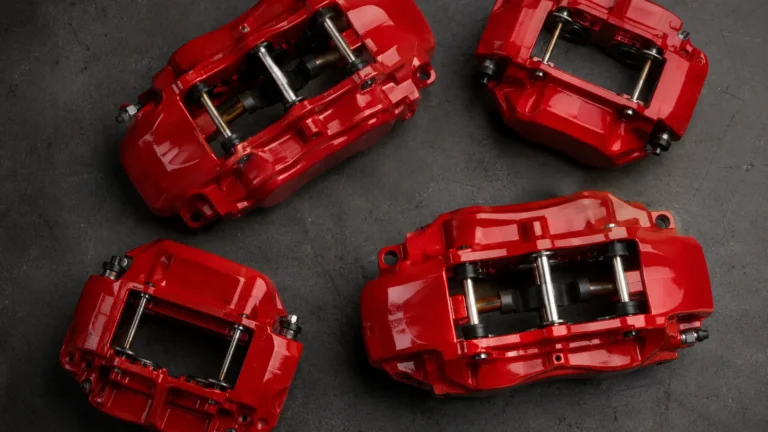
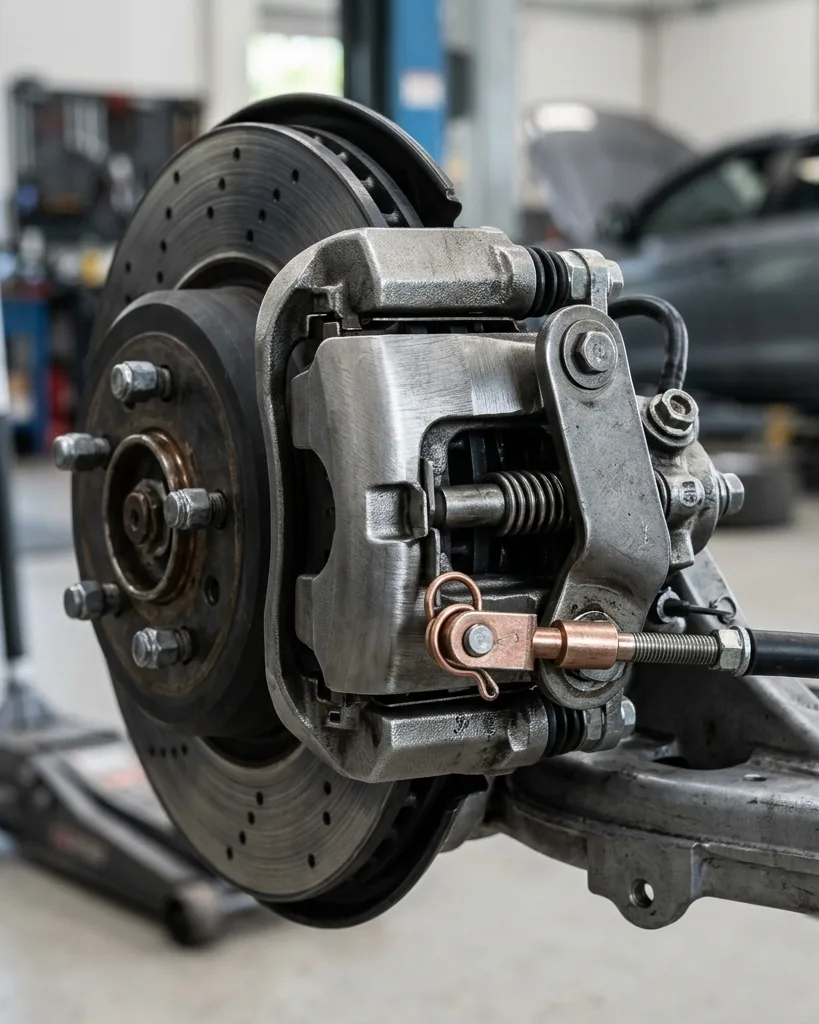
Understanding the hardware makes the warning far less mysterious. Where an old handbrake pulled a steel cable, an electronic system uses a small motor on each rear caliper, a control module, and position sensors, all driven from a single switch on the console. Press the switch and the module commands the motors to drive the pistons until the pads clamp the rotor with a set force; release it and the motors back the pistons off. Because every one of those actions is monitored, the system can tell when something is off, a motor drawing too much current, a sensor reading an unexpected position, or voltage sagging mid-cycle, and it raises the service message rather than silently failing. That extra intelligence is why the electronic version is so convenient and also why it has more ways to complain. The standards that define how these brake controllers and their diagnostics behave come from SAE International, which is also why a generic scan tool can read the codes.
Why a weak battery triggers it
One of the most overlooked causes is simple electrical health. The motors that clamp an electronic parking brake draw a meaningful current, and the control module expects a stable supply of around 12 volts to operate them. When a battery is weak, a terminal is corroded, or a ground wire is loose, the voltage can dip just as the system tries to engage or release, and the module reads that hiccup as a fault. This is why the message sometimes appears alongside other electrical gremlins, or first thing on a cold morning when battery output is lowest. Before assuming the worst about caliper motors, it is worth having the battery load-tested, a quick check that AAA and most shops perform in minutes, and cleaning the terminals. A battery nearing the end of its 3 to 5 year life is a common and cheap explanation for an intermittent parking-brake warning, and replacing it can clear the message entirely.
What a fix typically costs
Knowing the rough numbers keeps you from overpaying when the message turns out to be real. If the cause is a weak battery, you are looking at roughly 150 to 300 dollars for a quality replacement, often less. A missed relearn after a brake job costs only the shop time to run the procedure, frequently bundled into the original service if you return. Rear pads, a common underlying cause, run about 150 to 300 dollars per axle. The pricier outcome is a failed caliper actuator motor, which on many cars means replacing the caliper assembly and can land between 400 and 800 dollars per corner with labor. A diagnostic scan to pinpoint the fault is usually 80 to 150 dollars and is money well spent, since it stops you from replacing an expensive actuator when a 12 volt battery was the real culprit. Start with the cheap checks and the odds favor a small bill.
Preventing the message from coming back
A little care keeps the system quiet. The most effective habit is to insist on the proper relearn whenever the rear brakes are serviced, since the skipped reset is the leading avoidable trigger; ask the shop directly whether the system was cycled into service mode and back. Keep your battery healthy and your terminals clean, because stable voltage is what the actuators depend on. Use the parking brake regularly even on automatics, since calipers that never cycle can seize from disuse and then fault when finally called on. And address a low brake fluid reading promptly, as falling hydraulic pressure can set off the same warning. None of these steps is expensive, and together they remove most of the conditions that produce a service parking brake message in the first place, which is far easier than chasing one after it appears.
Reading the codes: a quick diagnostic walkthrough
If a reset does not stick, a logical scan saves you from guessing, and the order is what keeps it cheap. Start by plugging an OBD-II scan tool into the port under the dash and reading both generic and manufacturer-specific codes, because parking-brake faults usually live in chassis or body codes rather than the generic powertrain list. A code pointing to a left or right rear actuator tells you a specific motor is the issue; a position or wheel-speed sensor code points to a sensor rather than the brake itself; and a communication or supply-voltage code sends you back to the battery and wiring. Before condemning any part, confirm the basics that fake out the system: brake fluid at the correct level, a battery holding a steady 12 volts under load, and clean grounds. Many a driver has replaced a 500 dollar caliper actuator when a tired battery was dropping voltage during engagement. If the codes are clean but the message persists, the relearn is the likely answer, especially after recent rear-brake work.
Reading before replacing is the single habit that keeps an electronic parking brake repair from becoming an expensive guessing game, and it is exactly how a good shop approaches it too. The temptation with an EPB is to throw the obvious expensive part at it, the caliper actuator, but the data almost always narrows the field first. Spend the 80 to 150 dollars on a proper scan, rule out the battery and fluid, and you will usually find the real fault is far cheaper than the one you feared. That discipline is the difference between a 200 dollar fix and an 800 dollar one.
Frequently asked questions
What does the service parking brake message mean?
It means your electronic parking brake has detected a problem engaging or releasing. It is a request to diagnose the EPB, and it can come from worn rear brakes, low brake fluid, a weak battery, a sensor fault, or a missed relearn after rear-brake service.
Can I drive with a service parking brake warning?
The car will usually still drive, but the parking brake may not hold on a hill. Diagnose it promptly, and in the meantime park on level ground and leave the transmission in park or in gear as a backup.
How do I reset the electronic parking brake?
Resets vary by maker. A common method is to start in park, hold the EPB switch engaged, turn the car off for about 5 seconds, restart, hold the brake pedal, then press the switch to release. If the message returns, the system needs a scan.
Why did the message appear after a brake job?
Almost always because the EPB relearn was skipped. Replacing rear pads requires putting the system into service mode and resetting it; if that step is missed, the EPB reports a fault. Running the proper relearn usually clears it without new parts.
Is the parking brake the same as the regular brakes?
No. The service brakes are the hydraulic foot brakes you use to stop, while the parking brake holds the car when parked. They are separate functions, which is why you can often still drive with a parking-brake message even though you should fix it quickly.
Bottom line: a service parking brake message is your electronic parking brake reporting a fault it cannot verify away, and the smart approach is to start cheap and specific. Check the fluid and battery, try the maker’s reset, and suspect a missed relearn if it followed a brake job. You can usually drive in the short term, but park on level ground and fix it soon, because a parking brake that may not hold is a risk you only discover once the car is already rolling.
The reassuring part is that most service parking brake messages trace to cheap, common causes rather than catastrophic failure. Check the obvious things first, keep up with the relearn after any rear-brake work, and a system that seems alarming on the dash usually turns out to be a quick, inexpensive fix once you read it properly instead of guessing.
Disclaimer: This article is general automotive information, not a diagnosis for your specific vehicle. Electronic parking brake procedures vary by manufacturer; confirm the steps in your manual and have a qualified technician diagnose a persistent warning.
Sources
- National Highway Traffic Safety Administration – braking and parking-brake safety guidance.
- SAE International – electronic parking brake and on-board diagnostic standards.
- AAA – battery, brake maintenance, and diagnostic recommendations.